Best Roof Installation Options for the Intense Arizona Climate
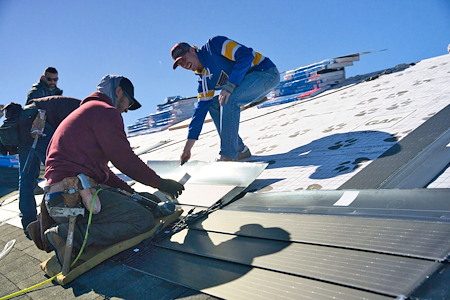
Arizona’s weather pushes every roof to its limits. If you are planning roof installation in Arizona, the right material, underlayment, and ventilation will determine how well your home rides out 115-degree afternoons, dust storms, and monsoon rains. If your current roof is also nearing the end of its life, consider your roof replacement timing while you compare options for a cooler, longer‑lasting system.
What Arizona Weather Demands From a New Roof
From Phoenix and Scottsdale to Prescott and Sedona, our climate swings hard. The desert valleys bake in long stretches of extreme heat, then catch sudden, wind-driven downpours. Higher elevations near Flagstaff and Williams see freeze-thaw cycles that can stress materials in a different way. Your roof needs to shed water fast, shrug off UV, and handle daily temperature swings without loosening fasteners or cracking components.
Heat, UV, and Thermal Shock
UV exposure dries out weak materials. Rapid temperature changes from afternoon to night cause roofs to expand and contract. Flexible systems and expansion allowances help prevent cracks and nail pops.
Monsoon Rains and Haboobs
Sideways rain looks for the smallest gap. A tough, sealed underlayment and well-detailed flashing keep water out when microbursts hit. Good drip edges and starter courses matter more here than in mild climates.
Elevation Swings From Phoenix to Flagstaff
In the Valley, heat and UV dominate. In mountain towns, snow load and ice potential enter the chat. Pick materials and assemblies that fit your microclimate, not just your street’s style.
Concrete Tile: Classic Look, Big Thermal Mass
Concrete tile stays popular across Arizona neighborhoods for its durability and style. It creates an air space that helps reduce heat transfer, and it stands up well to wind when properly fastened.
Performance in Heat and Storms
Tiles themselves resist UV well, and heavier profiles handle gusts when fasteners and foam sets meet spec. The real waterproofing comes from what is underneath, so a quality underlayment and tight flashings are essential for monsoon season.
Weight, Structure, and Maintenance
Tile is heavy. Many homes are already engineered for it, but any switch to tile should account for structural loading. Plan for periodic checks of flashings, valley metal, and slipped pieces after high winds.
Metal Roofing: Cool, Light, and Storm Ready
Standing seam metal is gaining ground from Phoenix to Prescott Valley because it reflects heat, sheds heavy rain quickly, and lasts a long time when installed by pros. Lighter weight reduces structural stress, while continuous panels limit leak points.
Standing Seam and Reflective Finishes
Modern coatings bounce solar energy, which helps reduce attic temperatures on triple-digit days. Smooth seams guide water into gutters during fast monsoon downpours.
Noise and Expansion Gaps
With proper underlayment and fastening, metal roofs are not noisy. Slotted fasteners and clips allow natural expansion so panels don’t buckle over time.
Asphalt Shingles: Budget-Friendly With Modern Upgrades
Architectural shingles remain a solid choice for many Arizona homes. They are widely available, repairable, and offer colors that fit HOA guidelines from Gilbert to Glendale.
Architectural vs. 3‑Tab
Architectural shingles usually provide better wind resistance and curb appeal. 3‑tab is lighter and simpler, but most homeowners favor laminated profiles for performance in summer storms.
Reinforced Underlayment Makes the Difference
In Arizona, the shingle layer is only part of the story. A tough synthetic underlayment, sealed around penetrations, dramatically improves water resistance when gusts push rain under tabs. Pair it with ice and water barrier at valleys and low-slope transitions for added security.
Never skip synthetic underlayment in Arizona. Tile sheds sun; metal reflects it; shingles block it, but the underlayment is your last shield when wind drives rain uphill. A sealed, high-temp synthetic layer is a small upgrade that pays off during monsoon season.
The Unsung Heroes: Underlayment and Ventilation
Arizona roofs live longer when the attic stays cooler and dry. That requires a high-temperature synthetic underlayment plus balanced airflow from intake to exhaust.
Synthetic Underlayment
Compared with old felt, modern synthetics resist tearing, UV, and heat. They lie flatter, hold fasteners better, and keep working if wind lifts a surface panel. Many are rated for prolonged exposure during staging, which helps on large projects.
Attic Ventilation Done Right
Balanced ventilation moves hot, moist air out without pulling conditioned air from living spaces. Intake at soffits and exhaust at ridge or high vents create a steady path. Balanced attic ventilation prevents heat build-up that can age shingles early and stress adhesives under tile and metal trims.
Radiant Barriers and Insulation
Radiant barriers can reduce attic heat gain in Valley neighborhoods, while proper insulation slows heat transfer into living areas. Together with reflective roof finishes, these upgrades improve comfort and may lower cooling strain.
Energy and Efficiency Tips for Arizona Homes
- Choose lighter or reflective colors to reduce surface temperatures in Phoenix, Peoria, and Surprise.
- Use high-temperature, sealed underlayment at eaves, valleys, and penetrations for monsoon protection.
- Add ridge vents with continuous soffit intake to move superheated air out of attics in Mesa and Chandler.
- Schedule an inspection before July storms. Schedule a pro inspection before monsoon season to catch worn flashings or brittle underlayment.
How to Choose for Your Home
Every home’s best roof is a blend of climate fit, architectural style, and long-term maintenance comfort. Your “new roof cost in Arizona” varies by material, roof complexity, and the season’s scheduling conditions, so it’s smart to compare total ownership, not just the upfront number.
Desert Valley Homes (Phoenix, Scottsdale, Mesa)
Metal stands out for reflectivity and storm shedding. Architectural shingles with upgraded underlayment are a value pick. Tile remains a curb-appeal favorite where structure supports it.
High Desert and Rim Country (Prescott, Sedona, Cottonwood)
Tile and metal handle gusty afternoons and cool nights well. Shingles are common, but insist on high-temp synthetics and tight flashing details at chimneys and skylights for day-night thermal swings.
Mountain Towns (Flagstaff, Williams)
Confirm snow load and choose assemblies that manage ice and freeze-thaw cycles. Raised seams and robust valleys help guide meltwater off steeper pitches.
Installation Quality Matters More Than Material Alone
The best product can underperform if details are rushed. Clean deck prep, straight courses, sealed valleys, and correct fastener patterns keep water moving the right way in sideways rain. Choose a contractor with a written workmanship warranty and a track record in Arizona neighborhoods like Prescott Valley, Tempe, and Glendale.
See how our team approaches roof installation arizona with proven assemblies, certified crews, and clear communication from estimate to final walk‑through. When needed, we also guide homeowners through timing a smooth transition to a new system by comparing material pros and cons and planning staging around local weather windows.
Material Snapshot: Pros and Considerations
- Concrete tile: excellent longevity, great in heat; verify structure and keep underlayment top-tier for monsoons.
- Metal standing seam: highly reflective, sheds water fast; detail expansion joints and flashing carefully.
- Architectural shingles: flexible style and repairability; pair with sealed synthetic underlayment and ridge-to-soffit ventilation.
When a Replacement Makes Sense
Sometimes the smartest path is to compare materials while you plan a changeout. If shingles are curling, tile underlayment is brittle, or metal fasteners have backed out after years of thermal movement, explore your roof replacement options and align material choice with how you live in the home.
Your Next Step With Heritage Roofing
Ready to weigh concrete tile, metal, or shingles for your home in Arizona? Our specialists can match materials to your neighborhood climate, explain underlayment and ventilation packages in plain English, and schedule an installation window that avoids peak storms. Talk to Heritage Roofing at 928-910-2765 or start your plan for new roof installation tailored to your home. For homes nearing end of service life, we’ll compare materials side by side and map out professional roof installation so your project feels simple and predictable.
Homeowner tip: ask about high-temp synthetics, sealed valleys, and balanced ventilation on every bid. Those details make a big difference in Arizona’s heat and monsoons.