Commercial Roofing Guide for Cottonwood AZ Business Owners
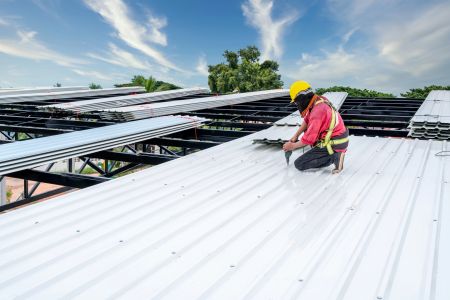
Running a building in Cottonwood means planning for intense Arizona sun, quick monsoon bursts, and daily temperature swings that test every roof. If you own or manage property in Arizona, this guide shows how to protect your investment with smart maintenance, timely repairs, and proven roof coating options. For a deeper look at systems and materials, explore our commercial roofing services from Heritage Roofing.
Why Cottonwood’s Climate Demands Proactive Commercial Roofing
High UV, dry air, and sudden summer downpours create a push and pull on flat and low-slope roofs. Membranes expand under heat, then cool quickly after a storm. Seams, flashing, and penetrations move with every change. Over time those small movements open pathways for water.
- UV breaks down exposed surfaces and sealants, especially on south and west exposures.
- Monsoon cells can overwhelm drains and scuppers, leading to standing water that stresses the membrane.
- Daily thermal cycling can fatigue seams and details around HVAC curbs and pipe boots.
Strong materials help, but the real difference is consistent inspection and fast response. That is what stops small cracks from turning into shutdowns and interior damage.
Flat Roof Vulnerabilities Owners Should Watch
Most commercial buildings around Cottonwood use flat or low-slope roofs. These systems are efficient and accessible, yet they have predictable weak points.
Watch for standing water after storms. Ponding longer than a day or two often signals blocked scuppers, insufficient slope, or low spots from aging insulation. You may also see “coffee ring” stains and algae outlines that show where water sits.
Check blistering or bubbles in the surface. Blistering on modified bitumen or coatings can point to trapped moisture or heat-related breakdown. Left alone, blisters can split and invite leaks at the first big rain.
Seams and penetrations need special attention. Foot traffic around rooftop units, cable runs added over time, and movement near parapet walls all create stress points. In Old Town, parapet cap details and stucco tie-ins are common leak sources. On Western Drive, larger roofs with long drain runs can hide slope issues until monsoon season reveals them.
Roof Coatings That Extend Service Life in Northern Arizona
When the roof deck and membrane are sound, liquid-applied coatings can extend service life and improve energy performance. The right system depends on your existing roof and goals:
- Silicone coatings resist ponding better than many alternatives and stay flexible in heat.
- Acrylic coatings offer strong reflectivity and can be a fit where drainage is reliable.
- Aliphatic topcoats improve UV stability and color retention on high-visibility areas.
Success starts with prep: repairs, cleaning, adhesion tests, and verifying dry substrate. A coating is not paint. It is a system with mil-thickness targets, reinforced seams at detail areas, and manufacturer-specific primers. If your contractor skips surface prep or cannot explain the spec, that is a red flag. To understand options for your building, review Heritage Roofing’s approach to roof coatings and how they help flat roofs in Cottonwood perform longer.
Apply coatings before widespread saturation. Once water has entered insulation or the deck, coatings are unlikely to solve the root problem. At that point, you may need recovery or replacement to restore a dry, stable base.
Maintenance And Inspection Timelines For Cottonwood Facilities
Commercial roofs age faster here due to UV and thermal swing. A steady schedule is the most cost‑effective way to manage that reality without surprises.
Suggested timeline for local buildings:
- Late winter to spring: full inspection before heat ramps up. Clean debris, check seams, details, drains, and scuppers.
- Early summer: verify drainage ahead of monsoon patterns. Confirm that temporary fixes from winter are permanent, not patches.
- Late summer: storm check. After major cells, walk critical areas for impact damage, displaced flashing, and fresh stains.
- Fall: plan repairs and coating touch‑ups while temperatures are roof‑friendly and cure windows are predictable.
Document each visit with photos. Track small changes like hairline splits or recurring ponding rings. That record turns into proof for warranties and helps plan work at the right time of year.
Repair, Recovery, Or Replacement: Choosing The Right Path
Not every leak means a new roof. Many Cottonwood buildings benefit from targeted repairs or a recovery system. The right decision comes down to condition, moisture, and movement.
Repair is effective when problems are isolated. Think cracked cap flashing at a parapet corner, an open seam near a curb, or a split around a drain. A pro will cut back to sound material, dry the area, reinforce with compatible products, and close with a system‑approved top layer.
Recovery adds a new layer over a sound but aging roof. Common examples include a single‑ply overlay or installing tapered insulation to fix chronic ponding. It reduces tear‑off disruption for tenants and keeps dry materials in place.
Replacement is the long view when the system is moisture‑laden, the deck is compromised, or movement has overwhelmed seams across large areas. A responsible contractor will confirm moisture with non‑destructive scans or core samples before offering a replacement plan.
How Coatings Fit Cottonwood Properties
Owners near Old Town often balance performance with appearance. A bright, reflective topcoat can lower rooftop temperature and help surrounding stucco transitions last longer. Along Western Drive, larger warehouses and retail centers focus on uptime and safety. A well‑specified silicone or acrylic system can reduce disruption during installation and extend the maintenance interval on big footprints.
Before coating, ask for three things: written scope, product data sheets, and inspection milestones. You want clarity on surface prep, seam reinforcement, wet and dry mil targets, cure times, and post‑project maintenance. That clarity pays off during warranty reviews and future touch‑ups.
Owner Questions, Answered In Plain Language
How often should a commercial roof be inspected? At least twice per year in our climate, plus after major storms. This cadence catches movement at details and keeps drains and scuppers clear before the next cell hits.
When is a coating the right choice? When the roof is dry, structurally sound, and the goal is to restore protection and reflect heat without full tear‑off. If moisture is present below the surface, solve that first.
What are early warning signs? New stains around ceilings, ponding outlines that do not fade, soft spots near drains, and surface bubbles. Outside, look for debris collecting at parapet corners or loose sealant at terminations.
How can I keep tenants and operations running during work? Ask for a phased plan. Crews can stage sections to maintain access, schedule loud work during low‑traffic windows, and flag safe routes around rooftop equipment.
A Simple Action Plan For Cottonwood Facilities
Walk your roof with a pro each spring and again before monsoon patterns settle in. Build a punch list with photos, then handle small defects first. If a coating is on the table, insist on adhesion tests and detail mock‑ups at a parapet corner or curb to confirm the spec in our heat. You can always start with the hottest side or the area that ponds most to prove performance before committing to the entire roof.
When you are ready to weigh materials, compare apples to apples. Look at reflectivity, flexibility at high temperatures, and how the system handles standing water. For a full overview of systems and to see how a local crew sequences work around your business hours, review our commercial roofing services and ask about recent projects near your part of town.
If you want a quick refresher from the perspective of your whole property, the homepage also covers materials and service options in one place. For an at‑a‑glance overview of commercial roofing in Cottonwood AZ, start there and then drill down into inspections, repairs, and coatings.
Get Local Help That Protects Your Building
Whether you manage a small storefront in Old Town or a larger facility near Western Drive, Heritage Roofing is ready to help you plan the next step with clear options and a maintenance timeline that fits your operations. Call us at 928-910-2765 to schedule a roof assessment and get a practical plan for the year ahead. If you prefer to start online, you can also book through our page on commercial roofing services.